
Photo by ivan samkov from Pexels
The words wish, wishes, and wishing come into our lives early. Even at age one we may hear someone tell us to “make a wish” before blowing out the candle on our cake despite no clue of what that means at that point. Not much after that we will have someone reading fairy tales that speak of making a wish or watch Disney movies with songs about wishing.
If I were to start the lines of one of them that goes like this:
“A dream is a wish your heart makes
When you’re fast asleep
In dreams you will lose your heartaches
Whatever you wish for, you keep
Have faith in your dreams and someday
Your rainbow will come smiling through
No matter how your heart is grieving
If you keep on believing
The dream that you wish will come true…”
Many of you would be humming the tune that we see and hear in the movie Cinderella. We would hear about three wishes many times and magic lamps in Aladdin or the song “When You Wish Upon a Star” from Pinocchio. The Disney of decades ago filled our thoughts, populated our songs, and encouraged us often to wish. Sometimes they gave us the idea that if we wished hard enough and long enough those wishes would come true. We certainly wanted that to be the case without any awareness of how that might happen.
One dictionary says this about wish: “a strong desire or hope for something that is not easily attainable; want something that cannot or probably will not happen.” Little wonder that from the beginning of our acquisition of vocabulary we mix up the words “wish” with “hope” and can start to believe they are synonymous.
That becomes especially problematic when we apply them to spiritual matters. It’s not that wishing is a bad thing but it is not truly synonymous with hoping. That became clearer still as I was reading some wise words by Paul Tripp:
“You and I are on a constant quest for hope. We all want a reason to get up in the morning and motivation to continue.”

Photo by Pixabay from Pexels
How true His words speak of something more than wishing. We want something to bank on, count on, and rely on versus something unattainable. Tripp goes on to clarify some things to distinguish hope in this list:
- God hardwired human beings for hope.
- What you place your hope in will set the direction of your life.
- Hope always includes an expectation and an object.
- Hope, to be hope, has to fix what is broken.
- You always preach to yourself a gospel of some kind of hope.
But do we grasp what he is saying and is that how we apply the gospel to our lives? Are we using the word “hope” but actually living out “wish?”
The Bible gives us more than one or two verses about hope that put hope in context but I will share two.
“Faith shows the reality of what we hope for; it is the evidence of things we cannot see.”
Hebrews 11:1 (NLT)
“Through him we have also obtained access by faith into this grace in which we stand, and we rejoice[ in hope of the glory of God. 3 Not only that, but we rejoice in our sufferings, knowing that suffering produces endurance, 4 and endurance produces character, and character produces hope, 5 and hope does not put us to shame, because God’s love has been poured into our hearts through the Holy Spirit who has been given to us.”
Romans 5:2-5 (ESV)

Photo by Anna LLine from Pexels
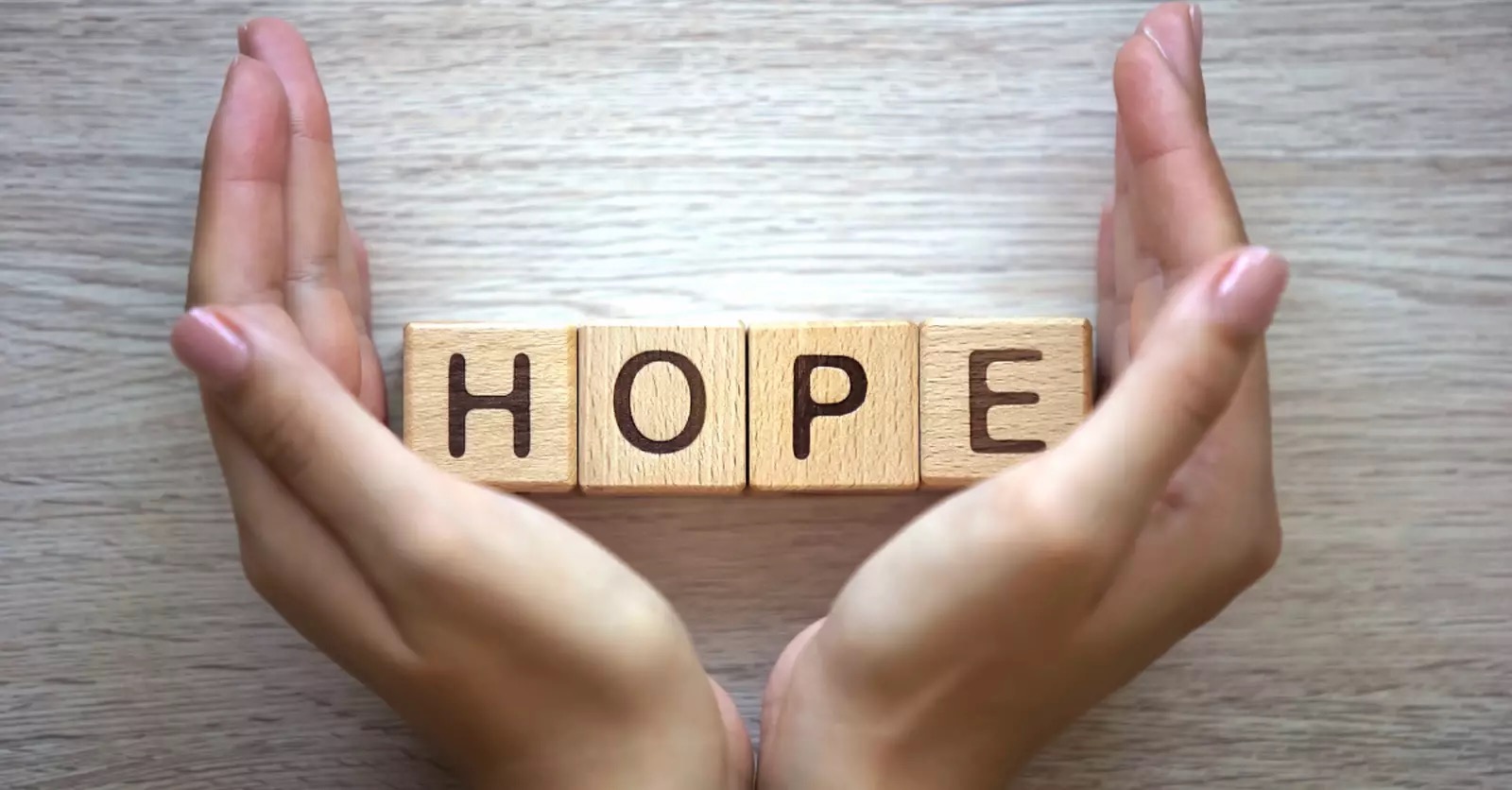
One way to check on how you may be viewing the words “wish” and “hope” in your spiritual life is to look at how you routinely use the word hope and then consider whether underneath you are using it with the sense of “wish.”
“Hope is not a situation. Hope is not a location. Hope is not a possession. Hope is not an experience. Hope is not an insight or truism. Hope is a person and his name is Jesus!”
Paul Tripp
When you tell someone you hope they feel better, it’s not just a wish as a believer, but rather the hope in the One who can heal that person and restore their health. When you speak to someone of the “hope of heaven” you aren’t just wishing but are speaking of an assurance for those who believe in Him of a life in eternity with Jesus who is our hope and promise to those who believe. Jesus never made a “piecrust promise” (easily made and easily broken). His promises were based on his own sacrifice on a cross that no one ever required Him to do but He chose so that we who have been broken could be not simply fixed to be broken again but to be made whole “like Him.”
Robert Critchley says it well in an old hymn I used to sing with my parents in the church where I grew up. Here’s only a sample but the lyrics are rich to consider in hope:
“My hope is built on nothing less
Than Jesus’ blood and righteousness
I dare not trust the sweetest frame
But wholly lean on Jesus’ name
One Christ the solid rock I stand
All other ground is sinking sand
All other ground is sinking sand.”
When life comes at you upside down and backwards, don’t forget what hope is and who it is in!
Very thought provoking indeed
Thanks so much for participating and sharing at SSPS 294. See you again next week!
Love this, Pam. This post really got me thinking. There is something I have been hoping for but in reality it was more of a wish. But after lots of prayer, it does not seem to align with God’s plan. So I will trust Him and put my hope in Him. Thanks for sharing. Well done!
I love how you use the idea of wishing to remind us that we are hardwired for hope–in the Lord! Yes, may we remember this when the longing arises! Thank you, Pam!