

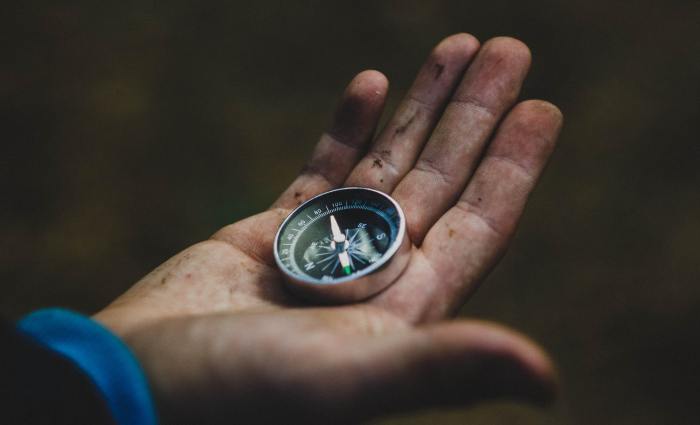

When something (anything) disrupts the usual ebb and flow of our days and weeks, we are more likely to discover things we didn’t notice before. That is truer still if the disruption is unexpected and upends more than one area of our lives.
Our lives have changed in cataclysmic proportions in the past month it seems, and our moorings have unraveled for multiple reasons.
Some of us have recognized and discovered some things about ourselves that we may not have seen before or at least the extent of them. Some of us have been so busy with any kind of activity we can find to quell our anxiety or fear that we have not yet discovered much.
What kinds of things might we be discovering?
One of the big ones might be how much of our time is spent on doing. Some of that doing is of necessity and required, but some of the doing relates to activities and involvements of our own choosing that keep our minds, hearts, and bodies in motion nearly all the time.
How often do you ask someone else the question, “How are you?”, and hear back, “I’m busy.”


Even those whose lives have transitioned to retirement remain busy with a variety of pursuits if their health permits. And now many (if not most) of the things that keep us busy by either requirement or choice are gone.
The impact shows up now when you hear someone talking about not knowing what to do with themselves, or how much cleaning they have done to try to fill up the time, or they feel like they are going stir crazy because they are used to being on the go all the time.
Another discovery some might make is how hard it is to be still, quiet, or relaxed not running through each day like a gerbil running on a wheel. The sense of being in such a place creates tension rather than rest, dis-ease rather than ease.
There are many discoveries one can make, but one other I might mention is discovering where we receive comfort. If our comfort comes from other people we may not be able to see, from eating out more than cooking, from running more than reading, from listening more than talking, that can give us a great deal of insight.
This difficult season gives us an opportunity to reassess much about ourselves, our relationships with people and things, and our relationship with God.
It is not hard to see how much we struggle with contentment when what we want to do is denied. Few people had as many experiences to struggle with contentment than the apostle Paul and yet while sitting in prison, he wrote these words to the church at Philippi:
“11 I am not saying this because I am in need, for I have learned to be content whatever the circumstances. 12 I know what it is to be in need, and I know what it is to have plenty. I have learned the secret of being content in any and every situation, whether well fed or hungry, whether living in plenty or in want. 13 I can do all this through him who gives me strength.”
Philippians 4:11-13 (NIV)


Perhaps we might use this time to discover that those things we might look to for contentment are fickle because they can so easily be taken away when we lose our control to obtain them.
I wonder if God would want to use this time to have us practice being as our doing is now limited.
I wonder if He would want us to finally take time to simply be with Him rather running on the treadmill, we are so accustomed to doing.
One of the books I am reading is Rediscover Jesus by Matthew Kelly. Kelly asks excellent questions at the end of each very brief chapter that seem well-suited to current life:
“How much is the sheer busyness of your life preventing you from living the life God is calling you to live?
In what area of your life is God inviting you to experience a new beginning?
How well do you really know Jesus?
When was the last time you had the courage to seek out the root of an important issue?
What are you most grateful for?”
Maybe it is worth noting how many authors have recently published books challenging us to slow down, get off the treadmill, and gain deeper soul nourishment.
That was evident in John Eldredge’s latest work, Get Your Life Back, that was released just as the pandemic began in earnest. Listen to these words in some of the opening pages of Eldredge’s book:
“We live in a crazy-making world. So much stimulation rushes at us with such unrelenting fury, we are overstimulated most of the time. Things that nourish us – a lingering conversation, a leisurely stroll through the park, time to savor both making and then enjoying dinner – these are lost at an alarming rate; we simply don’t have room for them.”
We are more acutely aware of some of these things now.
How long we will be in the current way we are living is not yet clear, but perhaps while we are here, we can make this time count by making discoveries that are essential to the quality of our lives (not just the quantity).
Perhaps we can practice the art of being and discover contentment where we would least expect to find it.
Then we, like Paul, will have learned a great deal in the midst of this trial.

